A new theme and variations for saxophones
Every composer writes for orchestra or large ensemble—at first, usually long before they should, before they have the technical skills to do so or the trust of a conductor or ensemble to perform their music.
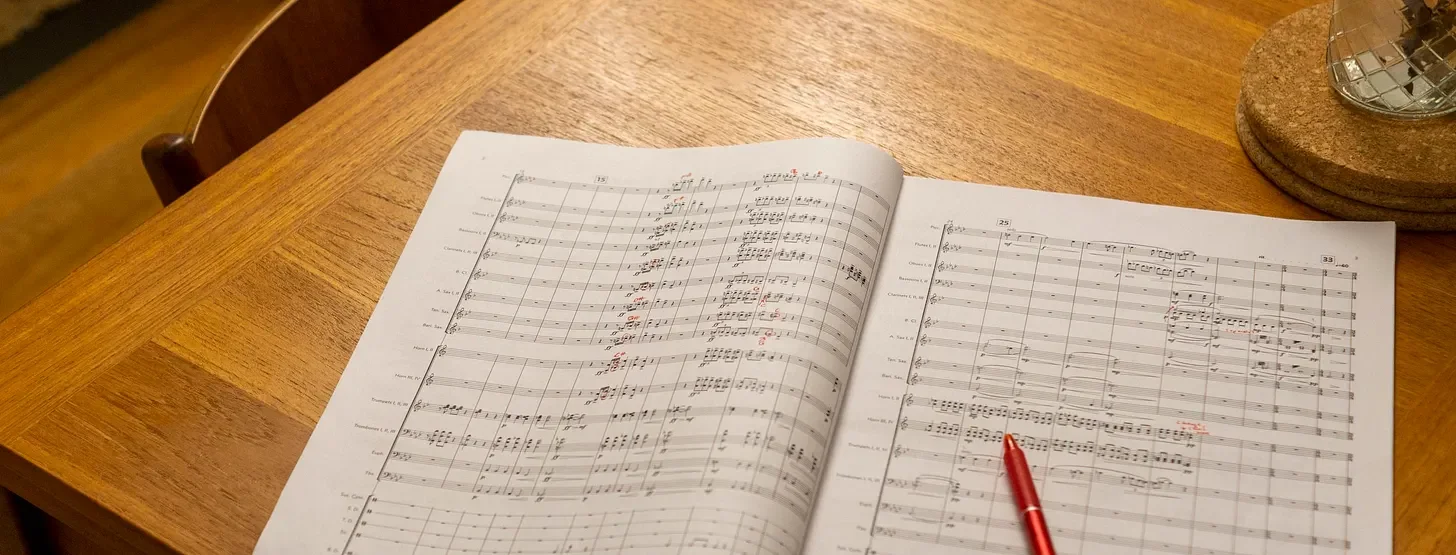
I was not immune to this allure. My effort was a 10-minute tone poem titled “…a slightly greener thing…”, the title borrowed from a passage early in American author Richard Powers’ book “The Overstory”:
“A chorus of living wood sings to the woman: If your mind were only a slightly greener thing, we would drown you in meaning.
The pine she leans against says: Listen. There’s something you need to hear.”
At the center of the orchestral piece is a gentle, quietly joyful tune that evokes the elemental care and tenderness the world has for its living things—a world not indifferent to life but supremely hospitable to it, actively bringing about its existence and fostering its evolution and flourishing across four billion years.
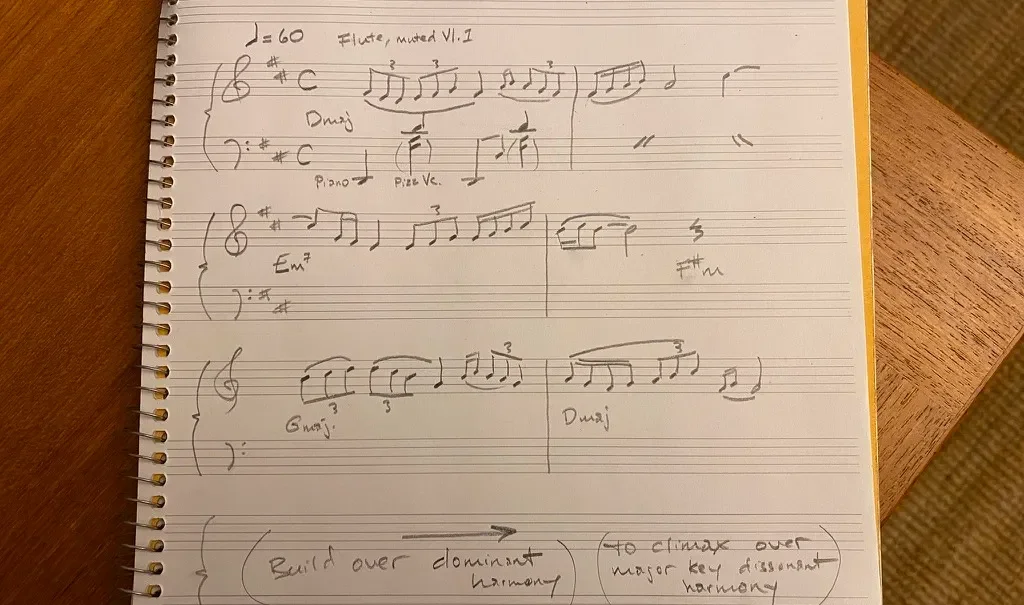
Though the original piece didn’t gain a champion to perform it, there was much in it I was proud of and thought should live beyond this first fruitless foray into orchestral writing.
The idea to write a set of variations for a smaller ensemble based on this tune came a few years later. It is likewise inspired by the borrowed-from passage from Powers—the variations akin to all the different ways the world “sings” to us, showing its care for us through gifts of food, water, shelter, medicine, weather—giving of its very body for us to live. I thought perhaps meditating on the idea—that this earth is not indifferent to us, but loves us, wants us to be and do well—and expressing that across two-dozen variations might help that message sink in, inviting reflection on how we can show our appreciation in return.
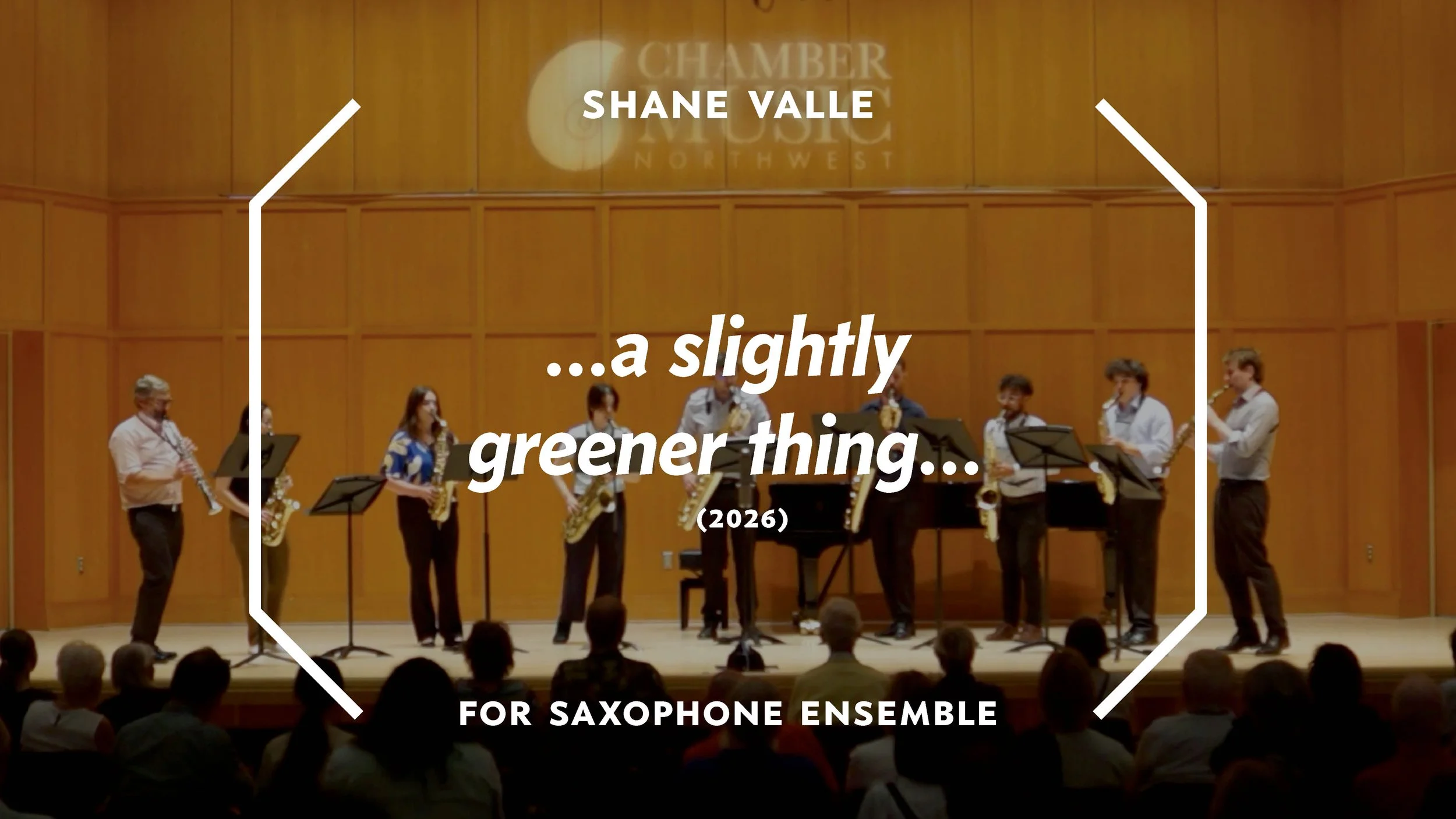
Last month, the Portland Saxophone Ensemble brought this set of variations, …a slightly greener thing…, to vivid life at Chamber Music Northwest’s Summer Festival in a performance warm, effervescent, patient, and finally impassioned.
This music travels from a sweet and simple rendering of the original tune to a rocking choral-like finale via many shades of joy, contemplation, gratefulness, challenge, loss, refinding a way forward, and, if such a thing is possible, some kind of humbled glory. Along the way, I ask the ensemble to evoke the wind, a mountain-distant hunting party, an organ, two kinds of church services, stargazing, the experience of eating too-hot pizza, and a horseback dash homeward.
While writing the variations, I learned of several pregnancies among my family and friends. Some of the variations are dedicated to and named for the then-pending child/children, with variations assigned according to which one I was writing when I got the news. Other variations are named for and evocative of places in my pacific northwest home.
The process of writing the variations and their overall structuring—most closely akin to a combo of sitting on the floor with a glue stick making a collage while playing a game of telephone—is worthy fodder for a later discussion. For now, I’ll leave you with the full list of variations with a personalized note for each. (Note that the above performance includes only 16 of the 24 variations.)
Variations (annotated):
Hundred-Acre Woods (where many of us begin our relationship with the woods)
Double Dutch (for my twin nieces, Maizee and Samara)
Upper Lostine (far and away Oregon’s most beautiful country, off-stage saxophones)
Waltz (for Norah—Miyazaki/Hisaishi vibes)
Budget Bolero (because who doesn’t love a musical easter egg?)
Fire and Brimstone (because we need some breakneck, fiery music)
The Flentrop Organ (Seattle organ that’s blown me away more than once)
Sashay (for Silvia)
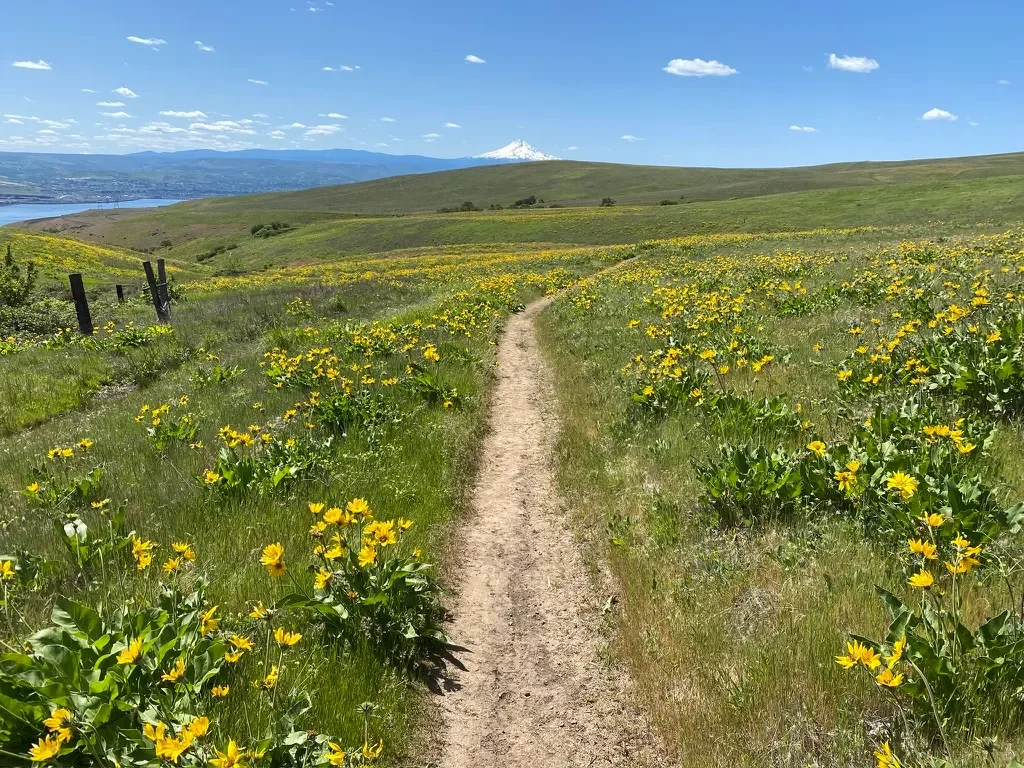
Memaloose Hills (spring wildflowers in the Columbia River Gorge)
Hot potato/pizza (reference to a favorite pizza shop right next door to…)
Goodfoot (…a well-loved dance hall down the street from a…)
Tabor Circuit (…breakneck bike race on an extinct volcano in the middle of PDX)
Light in the dark (first major break in momentum, moving into an unsure space)
Sunrise at Midnight (for Jemma—Sunrise is a location on Mt Rainier)
The Original (finally, the fully clothed theme)
New leaf (for Steffand)
Bach, fastforward (homage to Bach solo partitas, some of the most elegant music written)
Gallop (unbridled joy)
Ivory, then Ebony (two flavors of church music, constrasted)
Slap happy (a fun, percussive, slap-tongue-driven variation)
Bounce (for baby Pary)
Essence (three phases, ABA, cluster harmony, home depart return)
Spectral (two saxophones reading eachother’s minds, finishing eachother’s sentences)
Burn Bright (apotheosis, a celebration of who we each can be if we listen to and trust that quiet internal voice)